If you’re familiar with this archive, it’s set up as a blog. I post work randomly, in no particular order: new work as I finish it, but older work too as I scan decades of slides. Using the menu, you can search categories of work by year, medium, etc.
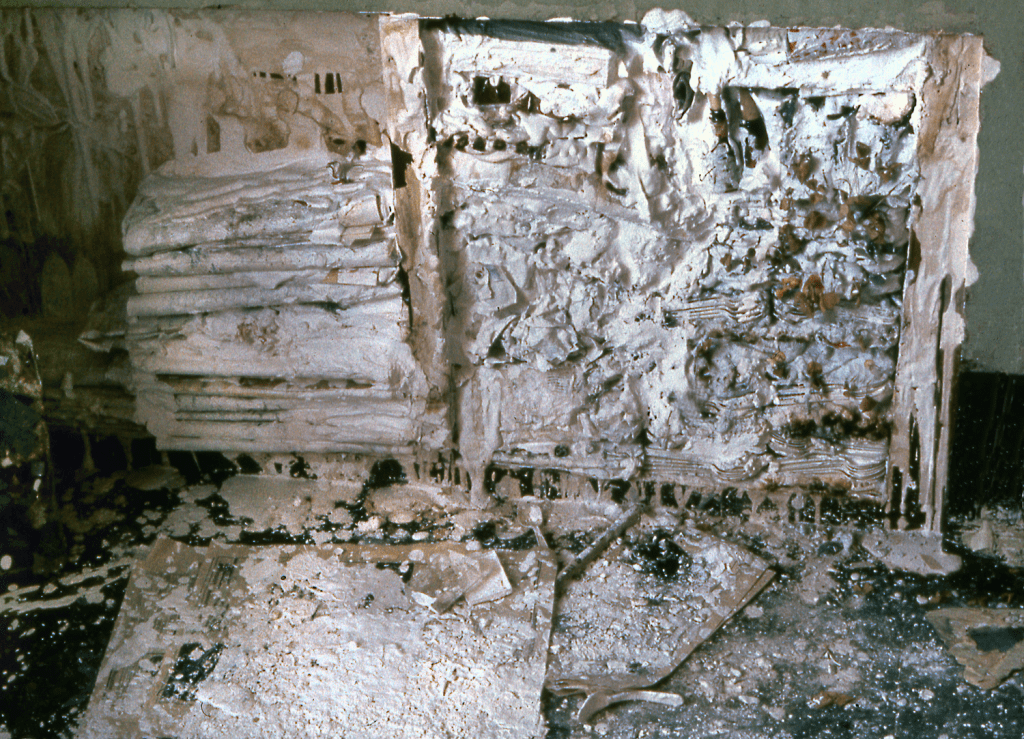
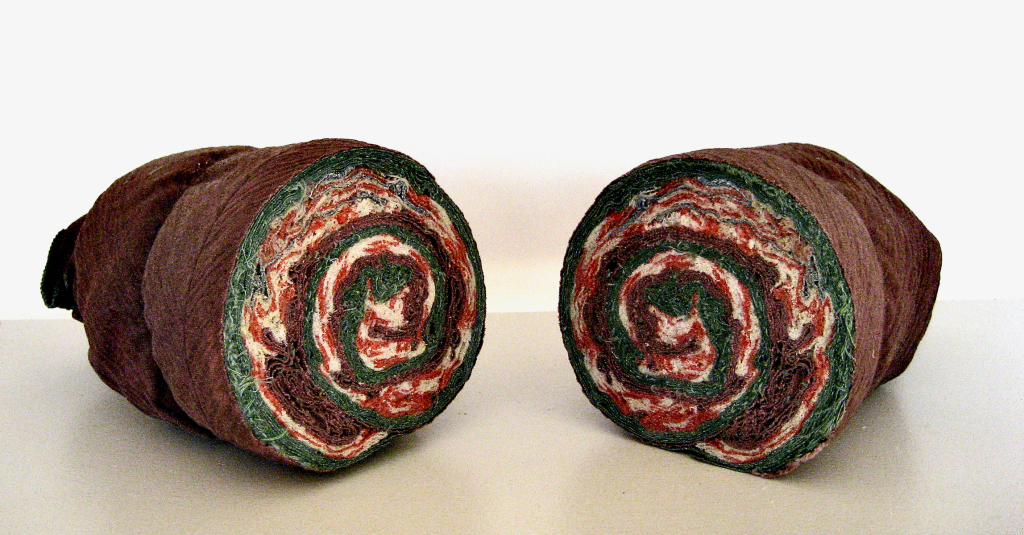
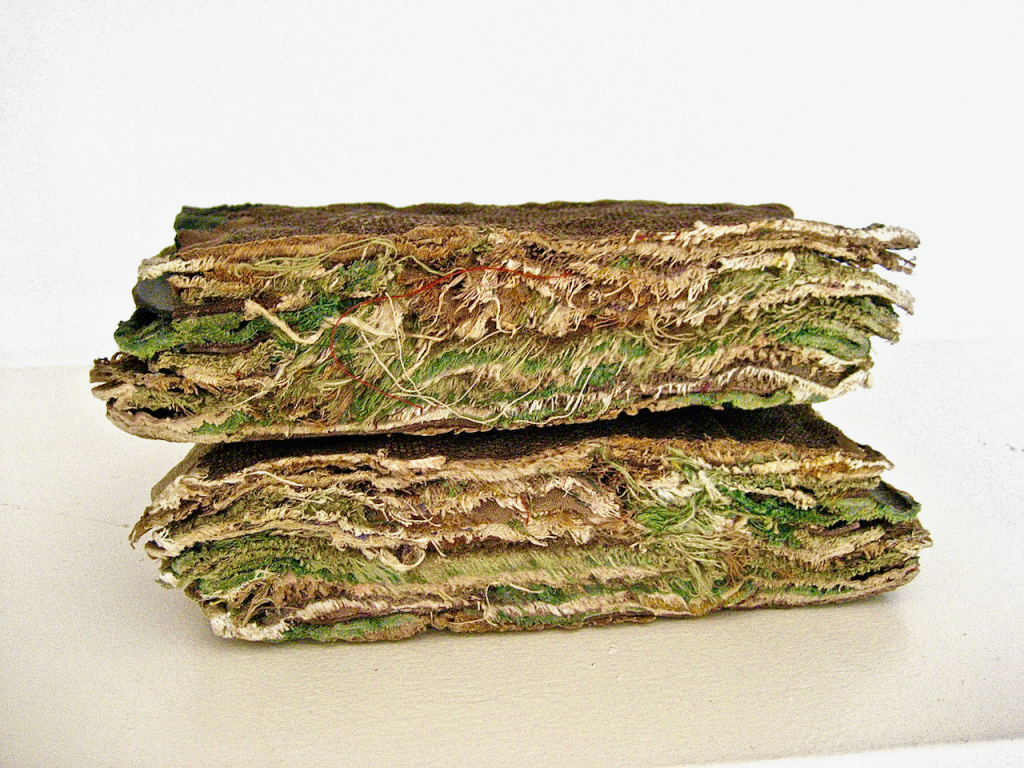
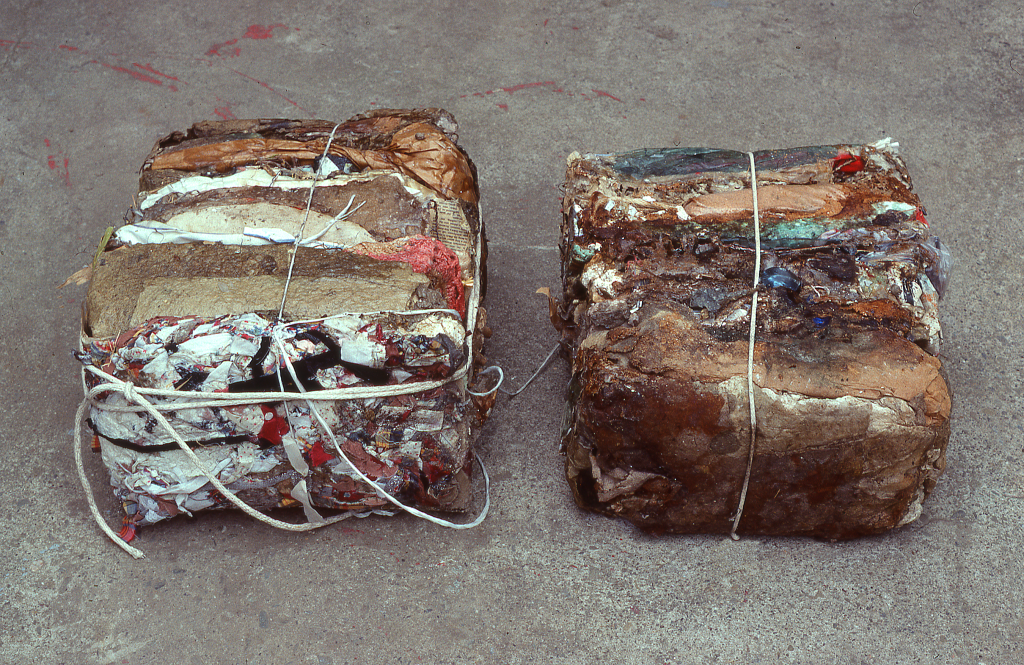
In this post see examples of my early sculpture in newspaper pulp. I used cardboard and plastic items, packaging containers , boxes, etc.— as molds for casting very simple 3-dimensional forms. Later I began to substitute plaster for the pulp (it’s quick-drying, captures detail, is a good binder material and can also be used additively). At times the resulting forms had an uncanny figurative or botanical quality, or they reminded me of other works of art.

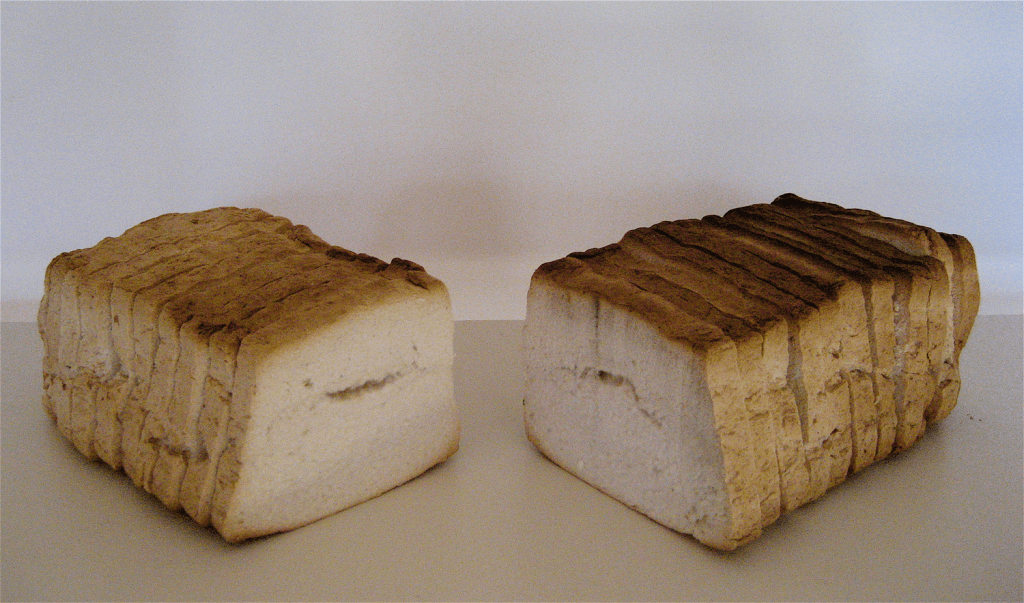
.0548 (after 6 Persimmons). 1978. Rolled newspaper embedded in newspaper pulp. When I cut into this loaf form, I loved its quiet simplicity and immediately thought of the 13th-century Chinese painting “6 Persimmons” by the monk Muqi Fachang. I did this pre-1980s–but see it as transitional.
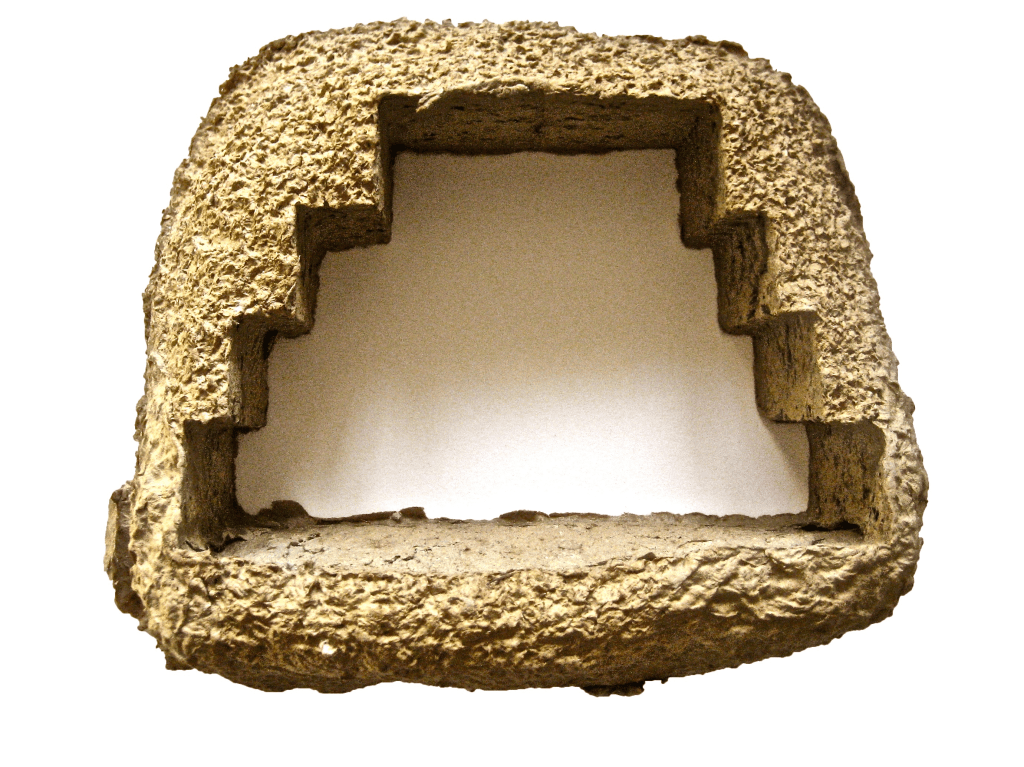
.0048 Window. 1980. Newspaper. 14 1/2″x 11″x3 1/2″. Exhibited at Washington Project for the Arts, Washington, D.C., 1984. Collection of the artist.

.0058 Still Life 1979 newspaper. 18″tall. Collection of the artist.
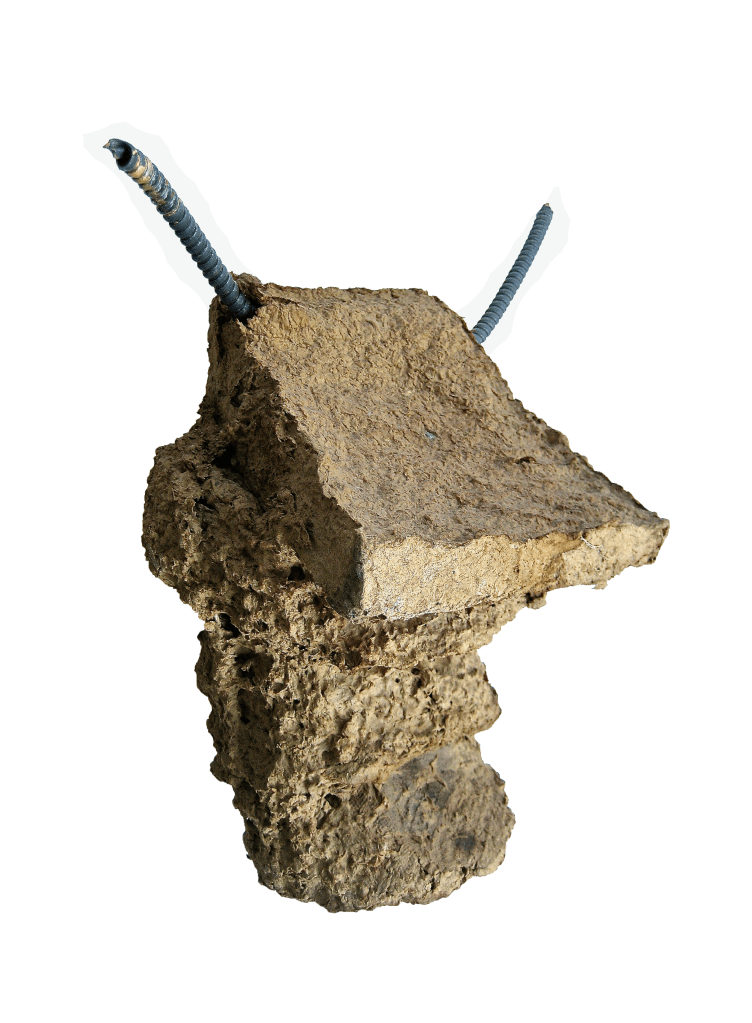
.0034 Bull’s Head (picasso). 1980. Newspaper, metal. 16″x 15″x 10″. Exhibited at Washington Project for the Arts, Washington, D.C., 1984. Collection of the artist.

.0076 The Kiss. 1980. Newspaper. 8 1/2”x 5 3/4”x 4”. Exhibited at Washington Project for the Arts, Washington, D.C., 1984.Collection of the artist.

.0526 Winged Victory. 1980. Newspaper, metal, plaster. 18 1/2″x 13″x 9″. Exhibited at the Washington Project for the Arts, Washington, D.C., 1984. Exhibited in “Catalyst: 35 Years of Washington Project for the Arts 1975-2010,” curated by J.W. Mahoney, American University Museum at the Katzen Arts Center, Washington, D.C.2011. Collection of the artist.

.0535 (eyes of t j ekelberg). 1980. Newspaper, 11”x 9”. Exhibited at Hillyer Gallery, Washington D.C., 2011. Collection of the artist.
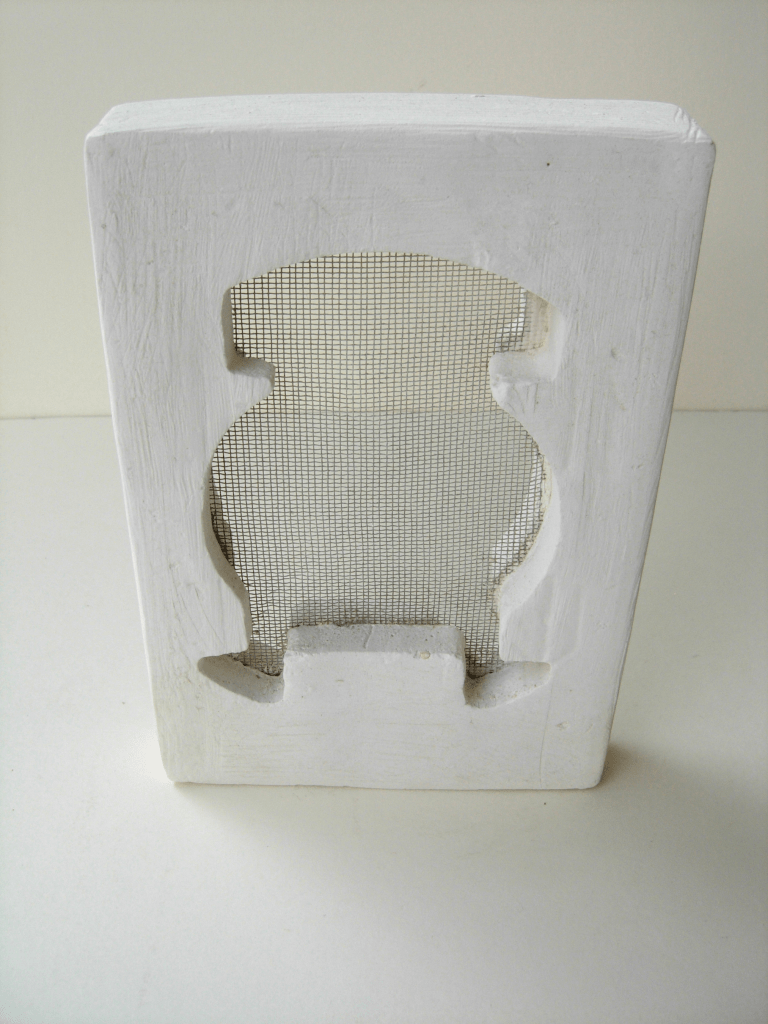
.0374 (screen figure). 1982. Plaster, screen. 9″x 6″x 1 1/2″. Collection of the artist.
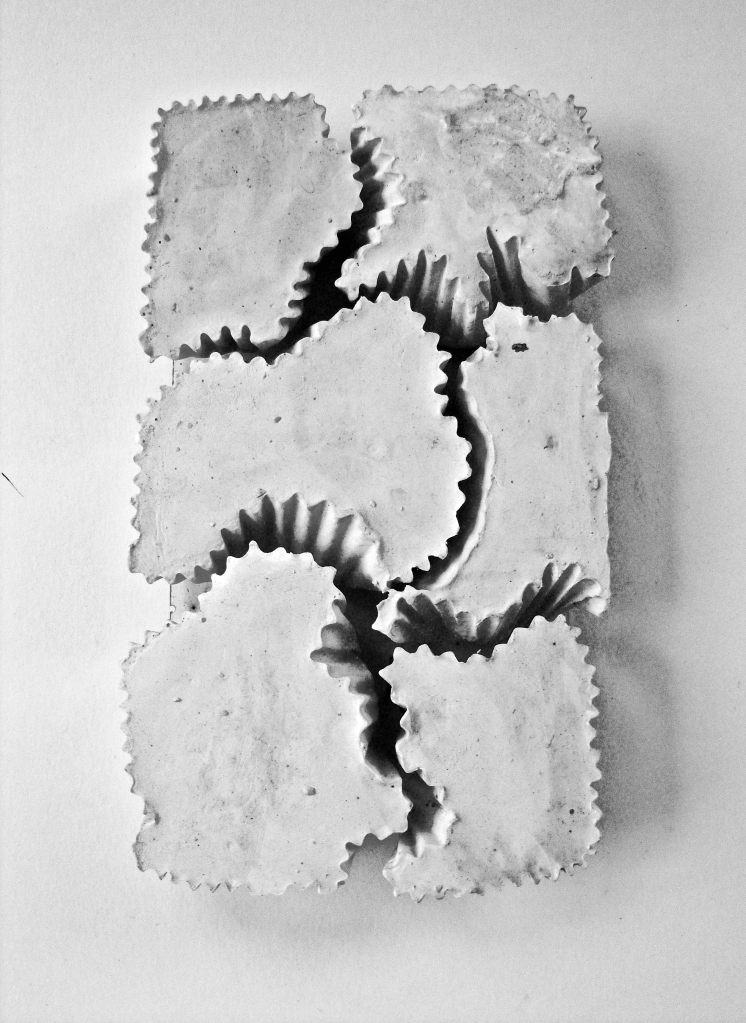
.0375 1981. Plaster, plexiglas. Approx. 8”x 5”x 2 1/3”. Collection of the artist.
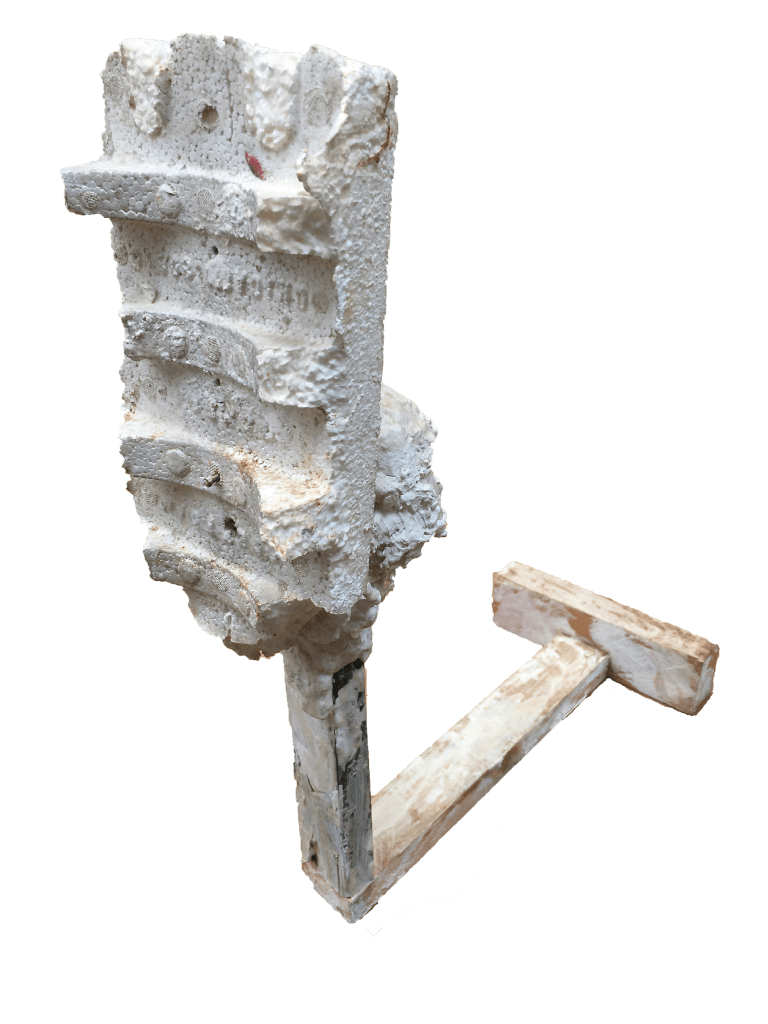
.0380 Styrofoam Head 1980 Plaster,wood, styrofoam. 13 1/2″x 11 3/4″x 5 1/2”. Exhibited at the Washington Project for the Arts, Washington, D.C., 1984. Collection of the artist.
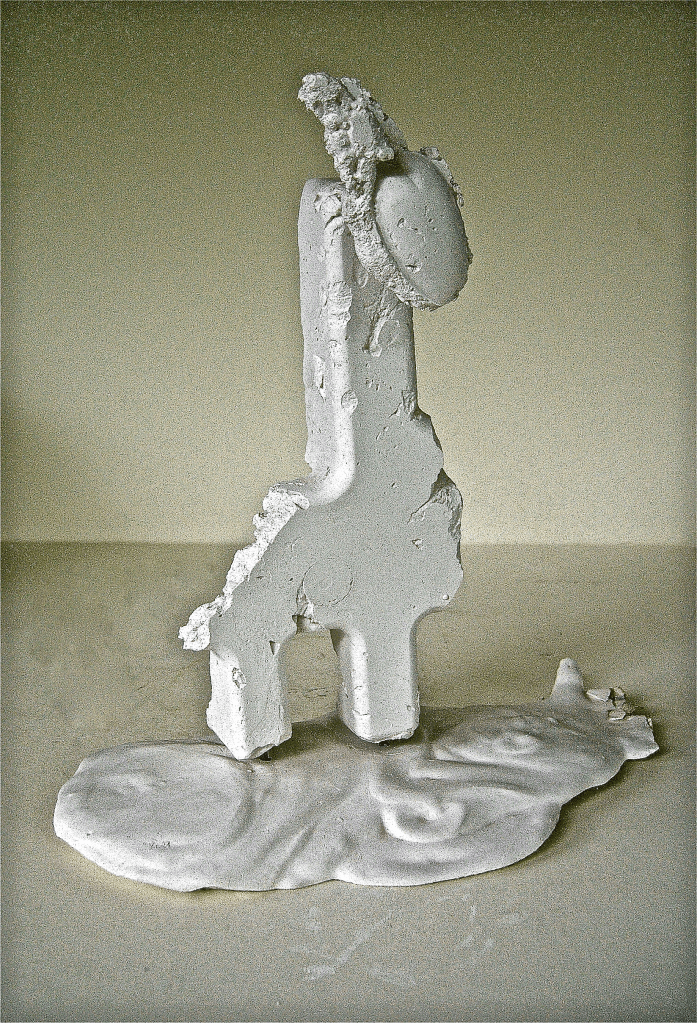
.0381 1981 Plaster. 10 1/2”x 10”x 5”. Exhibited at the Washington Project for the Arts, Washington, D.C., 1984. Collection of the artist.
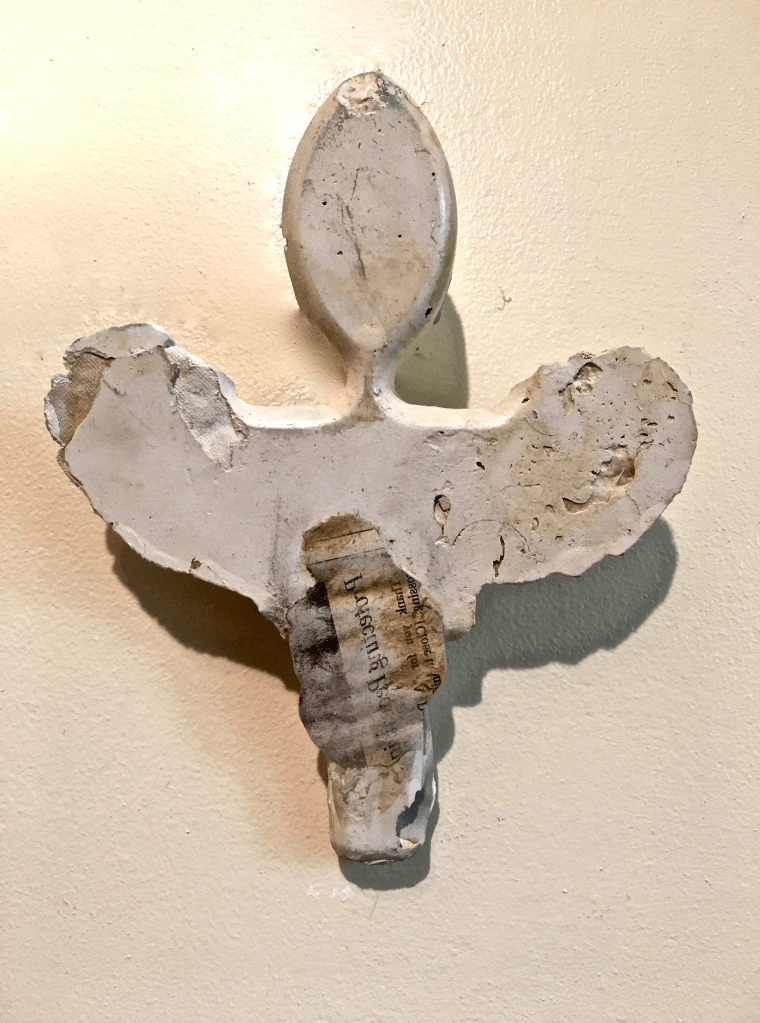
.0373. Angel. Plaster. 7 1/2″x 6″x 1 1/4″. Collection of the artist.
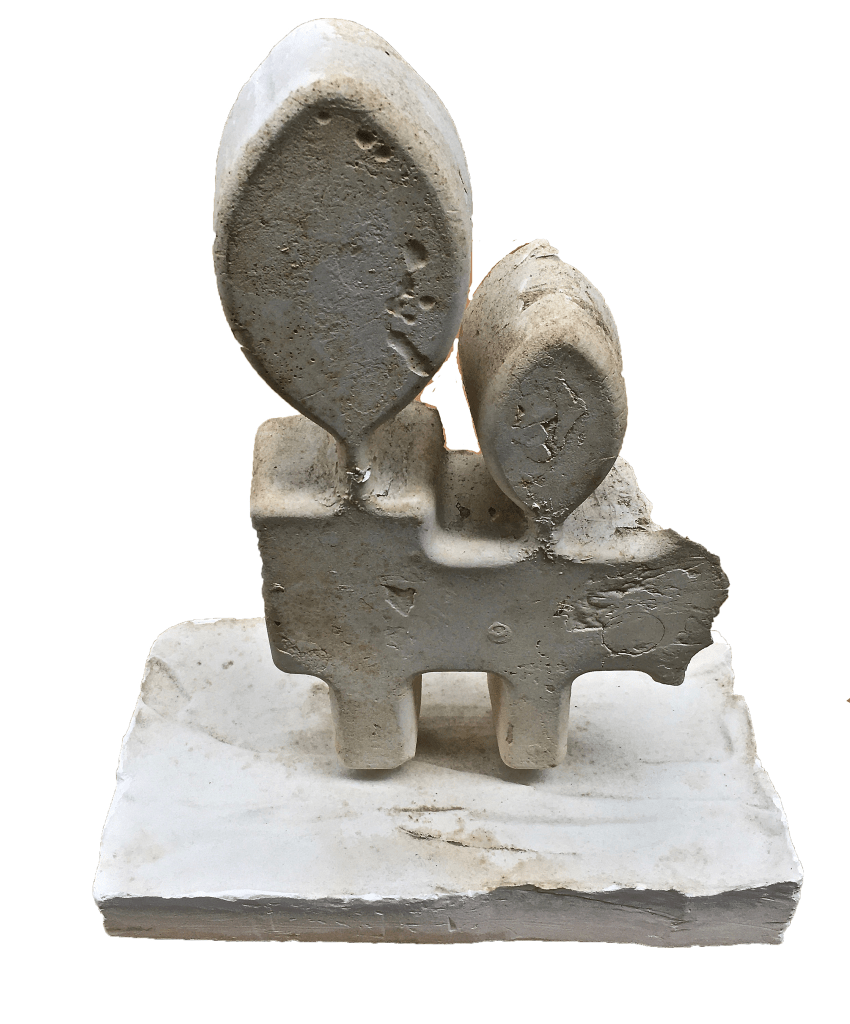
384.Spoon Children 1981 Plaster. 11 1/4″x 9″x 5″. Exhibited at the Washington Project for the Arts, Washington, D.C., 1984. Collection of the artist.
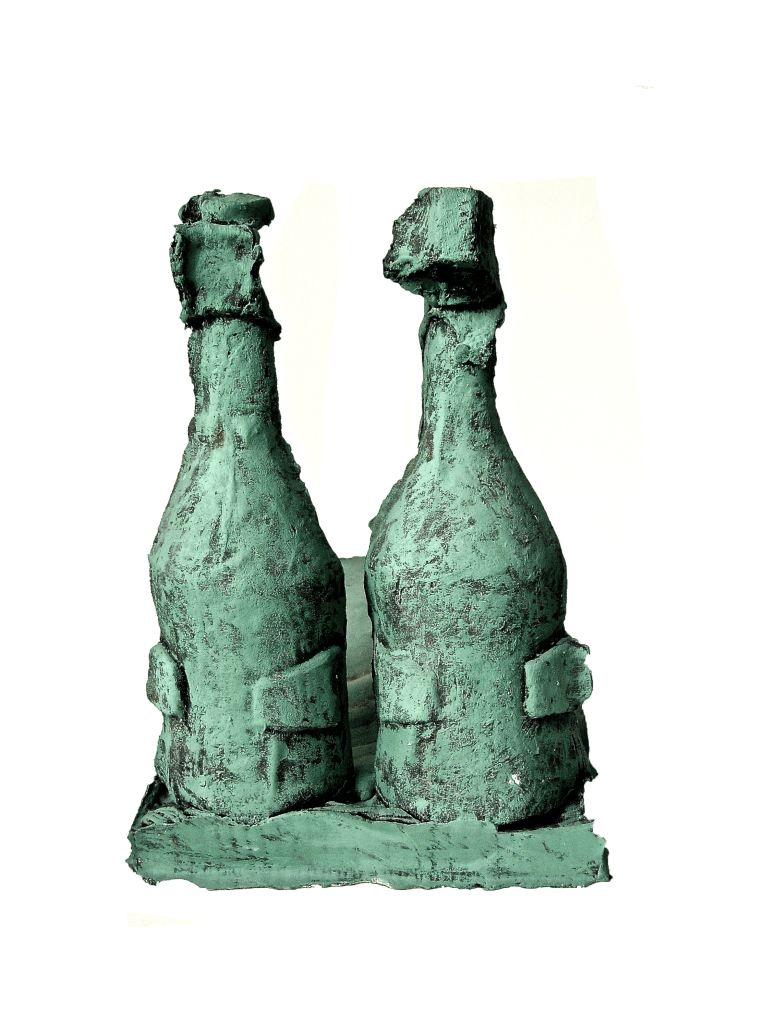
.0392
(couple) 1982 Painted plaster.13 1/2”x 12 3/4”x 9”. Collection of the artist. Exhibited at the Washington Project for the Arts, Washington, D.C., 1984. Exhibited at the American University Museum at the Katzen Arts Center, Washington, D.C., 2015. Collection of the artist.

.0377 Running Figure 1981 Plaster and fabric. 18″x 4 1/2″diameter. Exhibited at the Washington Project for the Arts, Washington, D.C., 1984. Collection of the artist.
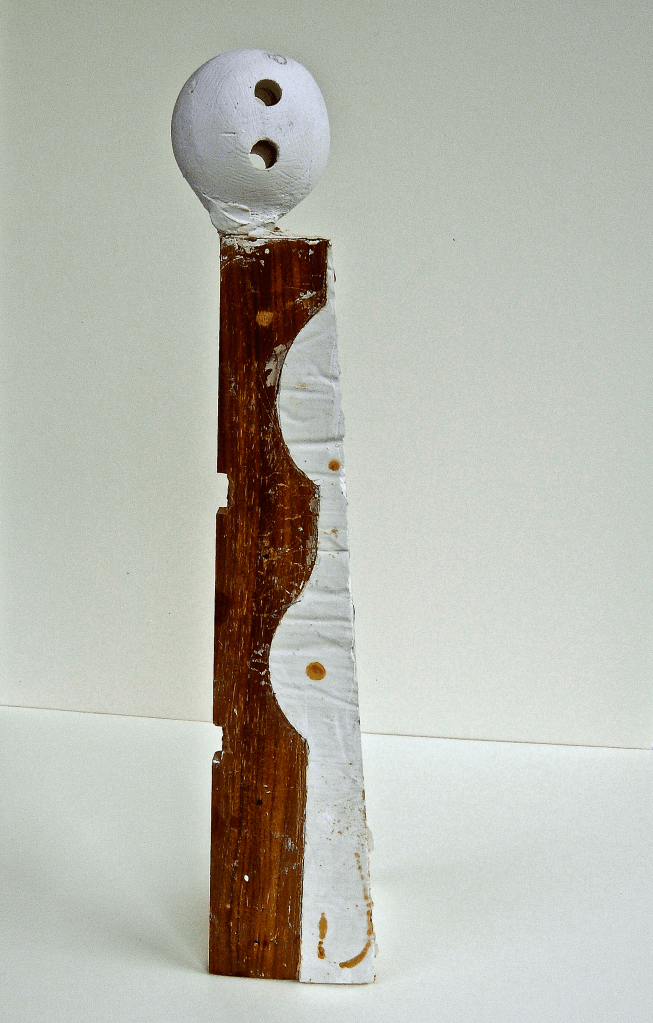
.0386 1981Plaster, wood, and fabric. 18″x 4 1/2″x 4″. Collection of Bill Roseberry.











 Betsy Packard Art Archive